The Roth Blueprint
Understand Your Options Today
for More Flexibility Tomorrow
Understand how your retirement accounts may be taxed, when distributions may be required, and how those decisions affect your income and legacy.
Retirement Savings Come With Future Decisions
The choices you make today can influence how much you keep, what you pay in taxes, and the legacy you leave behind.
- How will taxes impact my income?
- When will required minimum distributions (RMDs) begin?
- Should I consider a Roth conversion?
- What should I understand about retirement accounts and beneficiaries?
A More Complete View of Your Retirement Accounts
Clarity
Understanding
Flexibility
Legacy
Explore the Roth Blueprint
Roth Conversion Education
Understand how Roth conversions work and the factors to discuss with your tax and financial professionals when considering a conversion.
Understanding Roth Conversions Before You Make a Move
A Roth conversion allows you to move money from a traditional IRA or other eligible retirement account into a Roth IRA. The amount converted is generally treated as taxable income in the year of the conversion, but qualified Roth IRA withdrawals may be tax-free later.
That tradeoff makes timing, tax impact, income needs, and long-term goals important considerations.
At Changing Tides Financial, Roth Conversion Education is designed to help you understand the mechanics, potential benefits, and possible consequences before making decisions. The focus is on helping you understand conversion considerations and prepare questions to discuss with your qualified tax and financial professionals.
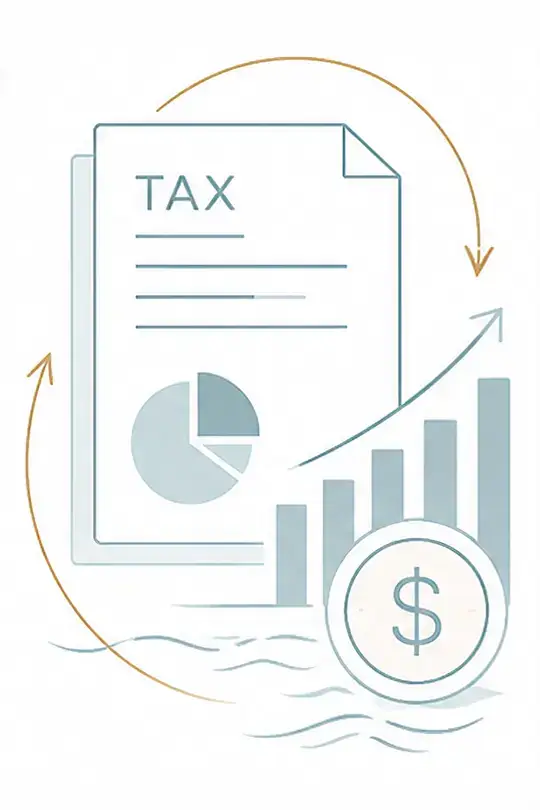
Why Understanding Roth Conversion Considerations Matters
Retirement accounts can create very different tax outcomes depending on when and how money is withdrawn.
For some individuals, converting a portion of tax-deferred retirement savings to a Roth IRA may provide greater flexibility later in retirement. For others, the immediate tax cost may outweigh the potential benefit.
A thoughtful approach looks beyond a single tax year and considers how retirement income, required distributions, legacy goals, and future tax exposure may interact over time.
Key Points
Who May Want to Explore Roth Conversions?
Important Factors to Review
IRA Considerations
Understand how your IRA may affect retirement income, future taxes, required distributions, and the assets you eventually leave behind.
About IRA Considerations
An IRA can play an important role in building retirement savings, but the decisions surrounding that account do not end when you retire.
Traditional and Roth IRAs have different tax characteristics, withdrawal rules, and long-term considerations. Understanding those differences can help you explore retirement income needs, Required Minimum Distributions, Roth conversion considerations, and implications for beneficiaries.
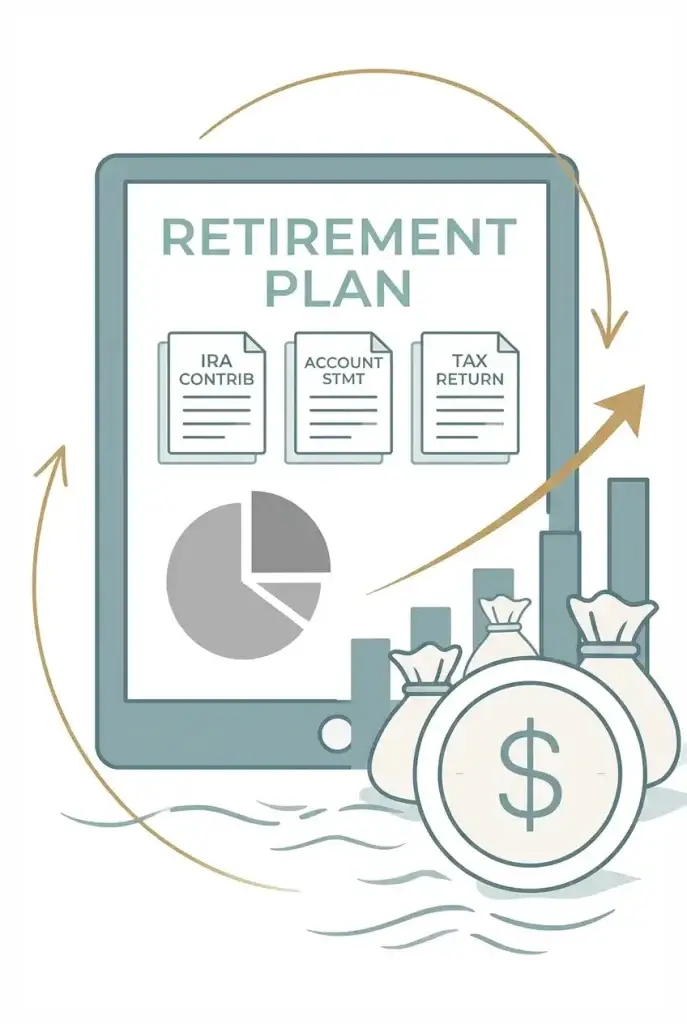
Why Understanding Your IRA Matters
Your IRA may represent a significant portion of your retirement savings, and the way those assets are structured can influence how and when you access your money.
Looking beyond the account balance can help you better understand future taxable withdrawals, potential RMDs, and how your retirement assets may eventually transfer to beneficiaries.
Key Points
Who Should Consider Reviewing Their IRA?
Important IRA Considerations
RMD Considerations
Understand how Required Minimum Distributions may affect your retirement income, tax considerations, and future income needs.
About RMD Considerations
Required Minimum Distributions, commonly called RMDs, are withdrawals that many retirement account owners must begin taking after reaching the age established under current federal law.
Because these distributions can become part of your taxable income, understanding their potential effects on retirement income can help you prepare questions before withdrawals become required.

Why RMDs Matter
RMDs can influence more than your annual withdrawals. They may affect taxable income, cash flow, Medicare-related costs, and the amount that remains invested for the future.
Learning about potential RMDs earlier may give you more time to understand withdrawal and Roth conversion considerations before required distributions begin.
Key Points
Who Should Be Thinking About RMDs?
Important RMD Considerations
Primary Care Services
Roth Conversion Education
Understand how Roth conversions work and the factors to discuss with your tax and financial professionals when considering a conversion.
Understanding Roth Conversions Before You Make a Move
A Roth conversion allows you to move money from a traditional IRA or other eligible retirement account into a Roth IRA. The amount converted is generally treated as taxable income in the year of the conversion, but qualified Roth IRA withdrawals may be tax-free later.
That tradeoff makes timing, tax impact, income needs, and long-term goals important considerations.
At Changing Tides Financial, Roth Conversion Education is designed to help you understand the mechanics, potential benefits, and possible consequences before making decisions. The focus is on helping you understand conversion considerations and prepare questions to discuss with your qualified tax and financial professionals.
Why Understanding Roth Conversion Considerations Matters
Retirement accounts can create very different tax outcomes depending on when and how money is withdrawn.
For some individuals, converting a portion of tax-deferred retirement savings to a Roth IRA may provide greater flexibility later in retirement. For others, the immediate tax cost may outweigh the potential benefit.
A thoughtful approach looks beyond a single tax year and considers how retirement income, required distributions, legacy goals, and future tax exposure may interact over time.
Key Points
Who May Want to Explore Roth Conversions?
Important Factors to Review
IRA Considerations
Understand how your IRA may affect retirement income, future taxes, required distributions, and the assets you eventually leave behind.
About IRA Considerations
An IRA can play an important role in building retirement savings, but the decisions surrounding that account do not end when you retire.
Traditional and Roth IRAs have different tax characteristics, withdrawal rules, and long-term considerations. Understanding those differences can help you explore retirement income needs, Required Minimum Distributions, Roth conversion considerations, and implications for beneficiaries.
Why Understanding Your IRA Matters
Your IRA may represent a significant portion of your retirement savings, and the way those assets are structured can influence how and when you access your money.
Looking beyond the account balance can help you better understand future taxable withdrawals, potential RMDs, and how your retirement assets may eventually transfer to beneficiaries.
Key Points
Who Should Consider Reviewing Their IRA?
Important IRA Considerations
RMD Considerations
Understand how Required Minimum Distributions may affect your retirement income, tax considerations, and future income needs.
About RMD Considerations
Required Minimum Distributions, commonly called RMDs, are withdrawals that many retirement account owners must begin taking after reaching the age established under current federal law.
Because these distributions can become part of your taxable income, understanding their potential effects on retirement income can help you prepare questions before withdrawals become required.
Why RMDs Matter
RMDs can influence more than your annual withdrawals. They may affect taxable income, cash flow, Medicare-related costs, and the amount that remains invested for the future.
Learning about potential RMDs earlier may give you more time to understand withdrawal and Roth conversion considerations before required distributions begin.
Key Points
Who Should Be Thinking About RMDs?
Important RMD Considerations
See the Bigger Retirement Picture
IRA Savings
Your hard-earned savings grow.
Taxes
Tax treatment affects what you keep.
RMDS
Required distributions impact your income.
Retirement Income
Understanding income options helps you prepare for retirement.
Legacy
Thoughtful decisions shape your legacy
Why Timing Matters
The years leading into retirement—and before required minimum distributions begin—are an important time to understand Roth conversion timing and potential tax implications.
Exploring different Roth conversion scenarios can help you understand how taxes may be affected over time.